
What makes Nordic cuisine unique in Helsinki restaurants?
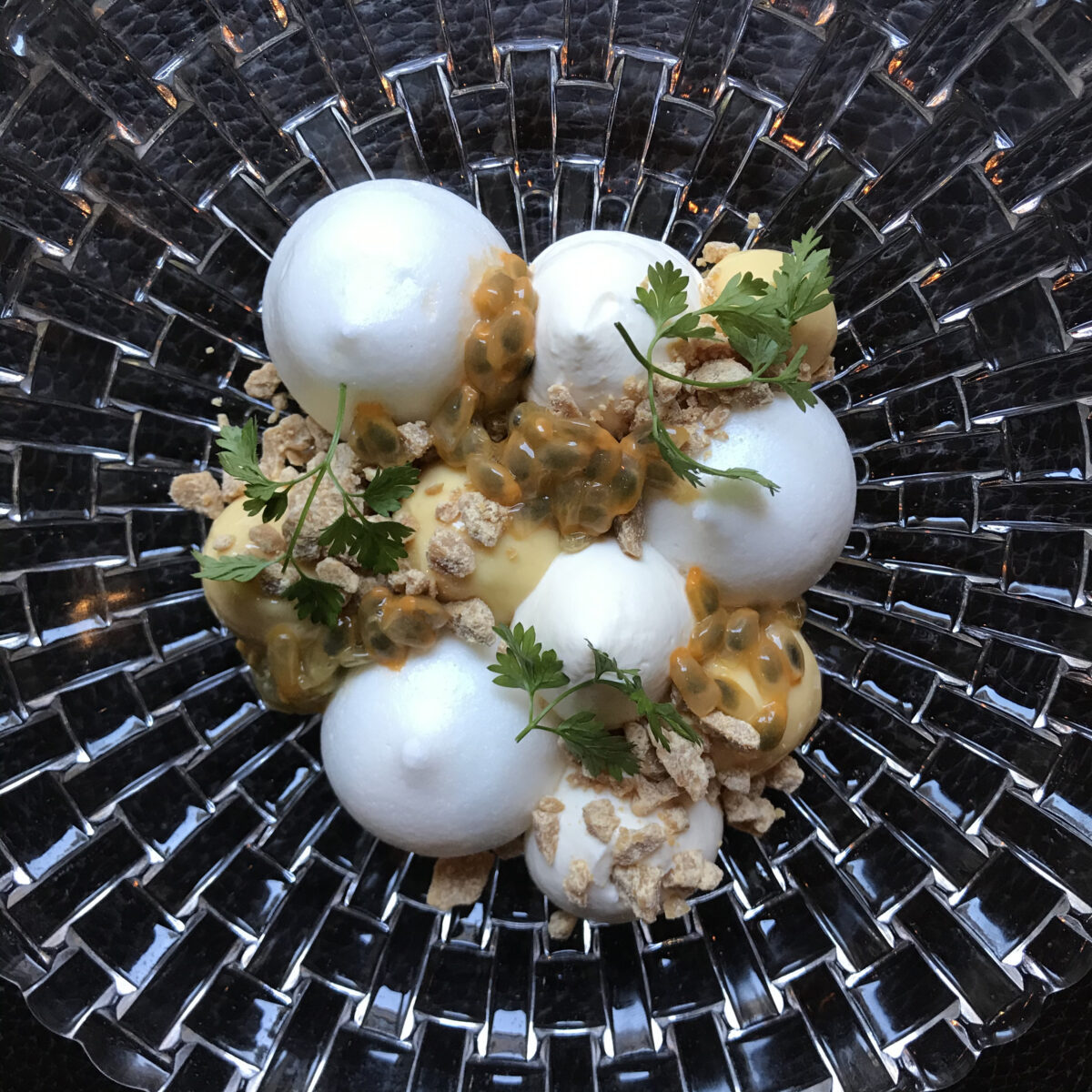
Nordic cuisine in Helsinki stands out through its commitment to seasonal ingredients, traditional preservation methods, and a philosophy of simplicity that celebrates natural flavours. Finnish restaurant cuisine combines centuries-old Scandinavian food culture with modern presentation techniques, creating a distinctive Helsinki dining experience. Explore our Nordic-inspired menu to discover how these principles shape contemporary Finnish culinary traditions.
What defines authentic Nordic cuisine in modern Helsinki restaurants?
Authentic Nordic cuisine centres on seasonal ingredients, traditional preservation techniques, and the principle of letting natural flavours speak for themselves. This culinary philosophy emphasises simplicity, sustainability, and a deep connection to the surrounding landscape and climate.
Helsinki restaurants interpret these Nordic cooking techniques by sourcing ingredients locally and seasonally, ensuring menus change throughout the year to reflect what nature provides. This approach means wild mushrooms appear in autumn dishes, while spring menus feature fresh herbs and early vegetables. Traditional preservation methods like smoking, curing, and fermentation remain central to the Nordic restaurant style, though modern equipment allows for more precise temperature control and timing.
The philosophy of simplicity doesn’t mean bland food. Instead, it requires exceptional ingredient quality and skilled technique to create depth without masking natural flavours. Contemporary Helsinki establishments honour this tradition while incorporating modern plating techniques and cooking methods that enhance rather than complicate the essential Nordic character.
How do Finnish ingredients shape the Nordic dining experience?
Finnish ingredients create distinctive flavours through their adaptation to the Nordic climate and landscape. Wild game, forest mushrooms, berries, and Baltic Sea fish form the foundation of Scandinavian cuisine, each contributing unique tastes that cannot be replicated elsewhere.
The harsh Finnish winters and bright summers produce ingredients with concentrated flavours. Cloudberries develop intense sweetness during the brief growing season, while reindeer and elk develop rich, complex meat through their natural forest diet. Baltic Sea fish like salmon and herring offer clean, mineral-rich flavours that reflect the pristine waters they inhabit.
Restaurants showcase these native ingredients by highlighting their seasonality and provenance on menus. Diners learn not just what they’re eating, but when and where it was sourced. This transparency builds appreciation for the natural cycles that define Finnish culinary traditions and helps guests understand why certain dishes are only available at specific times of year.
What cooking techniques make Nordic cuisine stand out from other culinary traditions?
Nordic cooking techniques focus on preservation and flavour concentration through smoking, curing, fermentation, and slow-cooking methods. These traditional approaches developed from necessity but continue because they create unique textures and enhance nutritional value while preserving food naturally.
Smoking remains fundamental to Scandinavian food culture, using local woods like juniper and birch to impart distinctive flavours while preserving fish and meats. Cold-smoking creates silky textures in salmon, while hot-smoking produces more robust flavours in game meats. Fermentation techniques produce everything from pickled vegetables to fermented fish, creating complex umami flavours that add depth to simple preparations.
Slow-cooking methods allow tough cuts of game meat to become tender while developing rich, concentrated flavours. These techniques work particularly well with Finnish ingredients because they respect the natural characteristics of each component. Modern Helsinki restaurants use precision equipment to perfect these traditional methods, achieving consistent results while maintaining authentic Nordic character.
Why has Nordic cuisine gained international recognition in recent years?
Nordic cuisine has gained global recognition through its emphasis on sustainability, farm-to-table practices, and innovative presentation that respects traditional flavours. This approach aligns with contemporary dining values while offering something genuinely distinctive from other international cuisines.
The movement’s focus on local sourcing and seasonal eating resonates with environmentally conscious diners worldwide. Nordic restaurants demonstrate that exceptional cuisine doesn’t require exotic ingredients flown from distant locations. Instead, they prove that deep knowledge of local ingredients and traditional techniques can create world-class dining experiences.
Helsinki restaurants contribute to this international recognition by maintaining authentic Finnish culinary heritage while presenting it in ways that appeal to modern diners. They’ve shown that Nordic cooking techniques and Scandinavian ingredients can create sophisticated, memorable meals that tell the story of their place and culture through food.
How do Helsinki restaurants balance tradition with modern Nordic innovation?
Helsinki restaurants honour traditional Finnish cooking by preserving core techniques and ingredient relationships while experimenting with presentation, preparation methods, and flavour combinations. This balance maintains authenticity while keeping Nordic cuisine relevant for contemporary diners.
The creative process behind modern Nordic menu development involves understanding why traditional combinations work, then finding new ways to express those relationships. Chefs might use traditional smoking techniques with non-traditional ingredients, or present classic dishes with modern plating that enhances the dining experience without changing fundamental flavours.
Integration of international influences happens carefully, with additions that complement rather than overwhelm Nordic characteristics. A Helsinki restaurant might incorporate Asian fermentation techniques that align with traditional Nordic preservation methods, or use modern cooking equipment to achieve more precise results with traditional recipes. The goal remains celebrating Finnish ingredients and Scandinavian food culture while creating exciting, contemporary dining experiences.
Nordic cuisine in Helsinki represents a culinary philosophy that values quality, seasonality, and authenticity above all else. The combination of traditional techniques with modern innovation creates dining experiences that are both rooted in Finnish heritage and relevant to contemporary tastes. Book a table to experience how these principles come together in authentic Nordic dining that celebrates the best of Finnish culinary traditions.