
What is Nordic food in Helsinki?
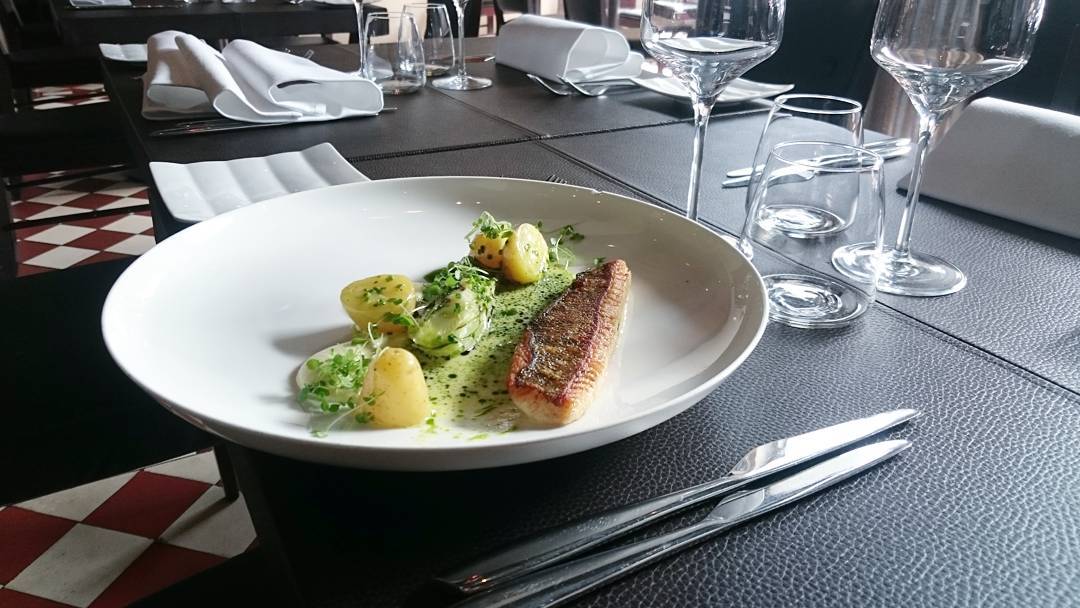
Nordic food in Helsinki represents a distinctive culinary approach, emphasising seasonal ingredients, traditional preservation methods, and a deep connection to Finland’s natural environment. This cuisine combines ancient techniques such as smoking and fermentation with modern interpretations, creating dishes that reflect the Nordic philosophy of simplicity and sustainability. Helsinki’s restaurants showcase this authentic Nordic cooking through locally sourced ingredients and time-honoured Finnish traditions.
What exactly defines Nordic food and its unique characteristics?
Nordic cuisine centres on seasonal ingredients, minimal processing, and traditional preservation techniques that have sustained Northern European communities for centuries. This culinary philosophy emphasises the natural flavours of ingredients sourced from the region’s forests, lakes, and coastal waters, creating dishes that reflect the harsh yet abundant Nordic landscape.
The foundation of Nordic cooking lies in preservation methods developed to survive long winters. Smoking, curing, fermentation, and pickling transform fresh ingredients into complex flavours whilst extending their shelf life. These techniques create distinctive tastes that define Nordic cuisine: the tang of fermented vegetables, the richness of cured fish, and the deep flavours of smoked meats.
Foraging plays a crucial role in authentic Nordic cooking, with chefs and home cooks gathering wild mushrooms, berries, herbs, and seaweed. This practice connects Nordic cuisine to its natural environment and ensures ingredients are used at peak freshness and flavour. Experience these traditional Nordic techniques through our carefully crafted seasonal menu, where each dish tells the story of Finnish culinary heritage.
How does Finnish cuisine differ from other Scandinavian countries?
Finnish cuisine distinguishes itself through unique ingredients such as rye bread, forest berries, wild mushrooms, and freshwater fish that reflect Finland’s distinct geography and cultural influences. Unlike Swedish or Danish cooking, Finnish food incorporates more Eastern European elements, creating a culinary identity that bridges Nordic and Russian traditions.
Rye forms the backbone of Finnish cooking in ways uncommon elsewhere in Scandinavia. Finnish rye bread is denser and more sour than its neighbours’, often baked in traditional wood-fired ovens. This grain appears in various forms, from crispbreads to hearty porridges, providing sustenance through harsh winters.
Finland’s extensive forests and lake systems provide ingredients rarely found in coastal Scandinavian countries. Wild mushrooms such as chanterelles and porcini feature prominently, whilst freshwater fish such as pike, perch, and vendace replace the heavy emphasis on saltwater fish found in Norwegian and Danish cuisines. Cloudberries, lingonberries, and bilberries add distinctive Nordic flavours to both sweet and savoury dishes.
What are the most authentic Nordic ingredients you’ll find in Helsinki?
Helsinki restaurants feature locally sourced ingredients including Baltic herring, wild game such as reindeer and elk, seasonal produce such as root vegetables and cabbage, and foraged items such as mushrooms and berries. These ingredients form the foundation of authentic Nordic cooking and reflect Finland’s natural abundance throughout the changing seasons.
Fish varieties dominate Nordic menus, with Baltic herring, salmon, and Arctic char prepared using traditional methods. Vendace, a small freshwater fish, appears in many Helsinki establishments as a uniquely Finnish delicacy. These fish are often cured, smoked, or served fresh with simple preparations that highlight their natural flavours.
| Ingredient Category | Examples | Traditional Use |
|---|---|---|
| Wild Berries | Cloudberries, lingonberries, bilberries | Preserves, sauces, desserts |
| Forest Mushrooms | Chanterelles, porcini, matsutake | Soups, side dishes, preservation |
| Game Meats | Reindeer, elk, wild boar | Roasts, stews, cured preparations |
| Dairy Products | Artisan cheeses, cultured butter | Traditional accompaniments |
Root vegetables such as turnips, carrots, and potatoes store well through winter and appear in traditional Nordic preparations. Cabbage, both fresh and fermented, provides essential nutrients and features in numerous traditional dishes that have sustained Nordic populations for generations.
Where can you experience the best Nordic dining in Helsinki?
Look for Helsinki restaurants that emphasise seasonal menus, locally sourced ingredients, and traditional cooking methods combined with modern techniques. Quality Nordic establishments change their offerings based on ingredient availability and showcase Finland’s culinary heritage through both classic preparations and contemporary interpretations.
Authentic Nordic restaurants in Helsinki display certain characteristics: menus that change with the seasons, an emphasis on Finnish ingredients, and cooking methods that respect traditional techniques. These establishments often feature open kitchens where you can observe smoking, curing, and fermentation processes that define Nordic cuisine.
We pride ourselves on representing authentic Nordic culinary philosophy through our commitment to local sourcing and traditional techniques. Our menu reflects seasonal availability whilst honouring Finnish cooking traditions that have been passed down through generations. Discover our interpretation of Nordic cuisine, where innovation meets tradition in every carefully crafted dish.
Why has Nordic cuisine become so popular internationally?
Nordic cuisine appeals globally because it aligns with modern dining trends emphasising sustainability, health consciousness, and environmental responsibility. This cooking style promotes local sourcing, seasonal eating, and minimal waste, values that resonate with contemporary diners seeking authentic and responsible culinary experiences.
The health benefits of Nordic eating patterns attract international attention. The diet’s emphasis on fish, vegetables, berries, and whole grains provides nutrients whilst avoiding processed foods. Fermented ingredients common in Nordic cuisine support digestive health, whilst the abundance of antioxidant-rich berries offers additional wellness benefits.
Nordic cooking techniques offer innovative approaches to familiar ingredients, inspiring chefs worldwide to explore fermentation, smoking, and preservation methods. This culinary philosophy demonstrates that exceptional flavours emerge from simple, high-quality ingredients prepared with skill and respect for traditional methods. Experience the global appeal of Nordic cuisine and discover why this approach to cooking continues to influence restaurants worldwide.