
How do chefs create surprise menus at Helsinki restaurants?
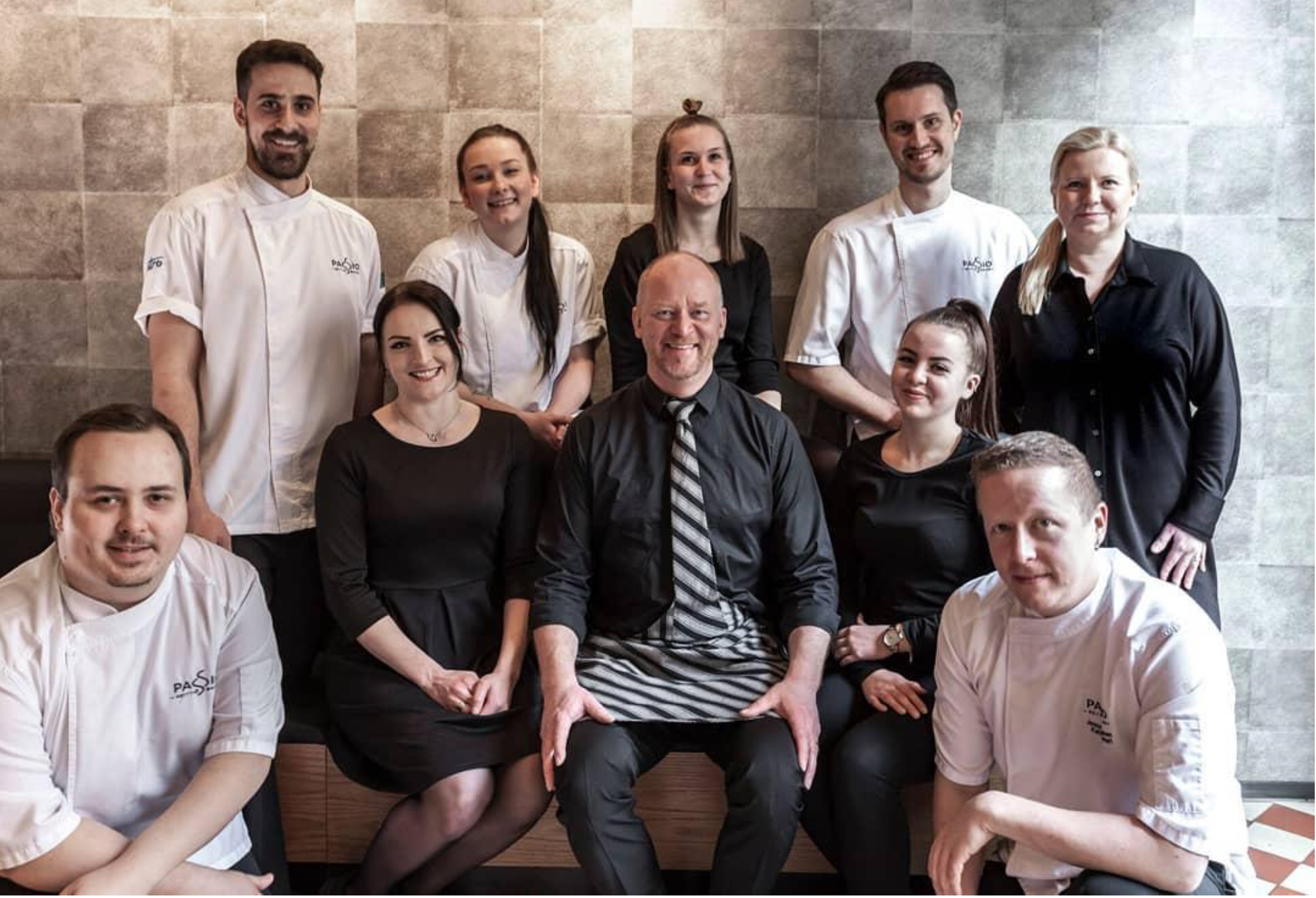
Surprise menus in Helsinki restaurants represent a chef-driven dining experience where the meal remains unknown until it is served. These carefully crafted culinary journeys allow chefs to showcase seasonal ingredients, demonstrate creativity, and create memorable moments through unexpected flavour combinations and innovative presentations that reflect Nordic culinary traditions and modern techniques.
Helsinki’s dining scene has embraced surprise menus as a way to celebrate the unpredictable nature of Nordic seasons and local ingredient availability. These experiences transform a simple meal into a culinary adventure, where diners surrender control and trust the chef’s expertise. The concept has gained popularity among food enthusiasts seeking authentic, innovative dining experiences that go beyond traditional menu selections.
For those interested in experiencing this culinary artistry firsthand, explore our carefully crafted seasonal offerings that showcase the best of contemporary Nordic cuisine with innovative twists.
What exactly is a surprise menu, and why do Helsinki chefs create them?
A surprise menu is a predetermined sequence of dishes chosen entirely by the chef, with diners having no prior knowledge of what they will receive. Helsinki chefs create these menus to express their culinary vision without constraints, showcase seasonal ingredients at their peak, and provide guests with unexpected flavour discoveries that challenge preconceptions about Nordic cuisine.
The appeal lies in the element of culinary storytelling that surprise menus enable. Chefs can guide diners through a narrative arc using ingredients, techniques, and presentations that might not typically be ordered together. This freedom allows for bold experimentation with traditional Finnish ingredients alongside international influences, creating dishes that reflect Helsinki’s position as a cultural crossroads.
Modern dining culture increasingly values experiences over mere consumption, and surprise menus satisfy this desire perfectly. Guests become active participants in a culinary journey rather than passive consumers making predictable choices. The anticipation between courses, the discovery of unexpected combinations, and the trust placed in the chef’s expertise create emotional connections that enhance the overall dining experience.
These menus also serve practical purposes for restaurant operations. They allow chefs to utilise ingredients more efficiently, reduce food waste by incorporating seasonal surplus, and maintain consistent quality by focusing on fewer, perfectly executed dishes rather than managing extensive à la carte options.
How do Helsinki chefs source ingredients for their surprise menus?
Helsinki chefs source surprise menu ingredients through direct relationships with local suppliers, regular market visits, seasonal foraging, and partnerships with Nordic farms and fisheries. The unpredictable Finnish climate creates opportunities for unique seasonal ingredients that appear briefly, making flexibility and strong supplier networks essential for successful surprise menu planning.
The sourcing process begins with understanding Finland’s distinct seasons and their impact on ingredient availability. Spring brings wild herbs like nettle and dandelion, summer offers abundant berries and vegetables, autumn provides mushrooms and root vegetables, while winter features preserved foods and greenhouse-grown produce. Chefs build menus around these natural rhythms rather than fighting against them.
Local markets play a crucial role in surprise menu development. Chefs visit Helsinki’s markets early in the morning to discover what is freshest and most appealing that day. This approach means menus can change based on the quality of available ingredients, ensuring each dish represents the best possible version of itself.
Sustainability practices heavily influence sourcing decisions for surprise menus. Many Helsinki chefs prioritise ingredients from within a few hundred kilometres, support small-scale producers using traditional methods, and incorporate foraged elements that connect diners to the Finnish landscape. These practices align with Nordic values while creating authentic flavour profiles that reflect the region’s culinary heritage.
What creative process do chefs use to design surprise menu combinations?
Chefs design surprise menu combinations through systematic flavour mapping, seasonal inspiration, and cultural storytelling techniques. The process typically begins with selecting a central theme or narrative, then building complementary dishes that create flavour progression while balancing textures, temperatures, and visual presentations throughout the dining experience.
The creative methodology starts with ingredient analysis, where chefs examine each component’s flavour profile, seasonal timing, and potential cooking methods. They create flavour maps that identify complementary and contrasting elements, ensuring each course builds upon the previous one while maintaining its individual identity. This systematic approach prevents flavour fatigue while creating memorable taste combinations.
Seasonal inspiration drives much of the creative process in Helsinki restaurants. Chefs observe natural cycles, noting when ingredients reach peak quality and how traditional preservation methods can extend seasonal flavours. They incorporate cultural elements from Finnish culinary history, such as smoking, curing, and fermentation techniques that add depth and authenticity to modern presentations.
Balance becomes crucial when designing multi-course surprise menus. Chefs consider the progression from light to rich, cold to warm, and familiar to adventurous. They test combinations extensively, adjusting portions, cooking methods, and presentations to ensure each course enhances rather than competes with surrounding dishes. The goal is to create a cohesive experience that feels both surprising and inevitable.
How do chefs handle dietary restrictions with surprise menus?
Chefs accommodate dietary restrictions in surprise menus through advance communication systems, flexible recipe development, and creative substitution techniques that maintain the element of surprise while ensuring safe, enjoyable dining experiences. Most restaurants require detailed dietary information during booking, allowing chefs time to develop appropriate alternatives.
The communication process begins when guests make reservations, with detailed questionnaires covering allergies, intolerances, and dietary preferences. Experienced chefs use this information to create parallel menu versions that maintain the surprise element while ensuring safety. They often develop signature dishes with built-in flexibility, allowing core components to remain while swapping problematic ingredients for suitable alternatives.
Creative substitution becomes an art form when handling restrictions without compromising the dining experience. Chefs develop ingredient libraries of suitable replacements that maintain similar flavour profiles, textures, and visual appeal. For example, they might substitute cashew cream for dairy, use alternative grains for gluten-containing elements, or create vegetable-based proteins that provide similar satisfaction to meat dishes.
Kitchen protocols ensure safe preparation and service for restricted diets. Separate preparation areas, dedicated equipment, and clear communication systems prevent cross-contamination while maintaining efficient service. Staff training covers recognition of restriction severity levels and appropriate response procedures, ensuring every guest receives appropriate attention to their dietary needs.
What role does storytelling play in Helsinki’s surprise menu experience?
Storytelling transforms surprise menus from simple meal sequences into narrative culinary journeys that connect diners to Finnish culture, seasonal cycles, and chef experiences. Helsinki chefs incorporate personal histories, cultural heritage, and local traditions into dish presentations, creating emotional connections that enhance flavour perception and memory formation.
Narrative elements appear through ingredient selection, cooking techniques, and presentation styles that reference Finnish history and landscape. Chefs might recreate childhood memories using traditional techniques, tell stories of seasonal foraging expeditions, or honour cultural traditions through modern interpretations of classic dishes. These stories provide context that deepens appreciation for each course.
Presentation techniques support storytelling through visual elements, serving vessels, and course timing that reinforce narrative themes. Chefs use traditional Finnish materials like birch bark, granite stones, and wooden serving pieces to create atmospheric connections to the story being told. The progression between courses follows a narrative structure, building tension, providing resolution, and creating memorable climactic moments.
Staff play crucial roles in storytelling delivery, sharing background information about ingredients, techniques, and the inspiration behind each dish. This human connection transforms service from mere food delivery into cultural education and entertainment. Guests leave with knowledge about Finnish culinary traditions, seasonal ingredients, and chef philosophies that extend the experience beyond the dining room.
The storytelling aspect creates lasting memories that distinguish surprise menu experiences from conventional dining. When guests understand the cultural context, personal significance, or creative inspiration behind their meal, they develop emotional connections that enhance satisfaction and encourage return visits. Book a table to experience how thoughtful storytelling can transform your understanding of Nordic cuisine and create unforgettable dining memories.